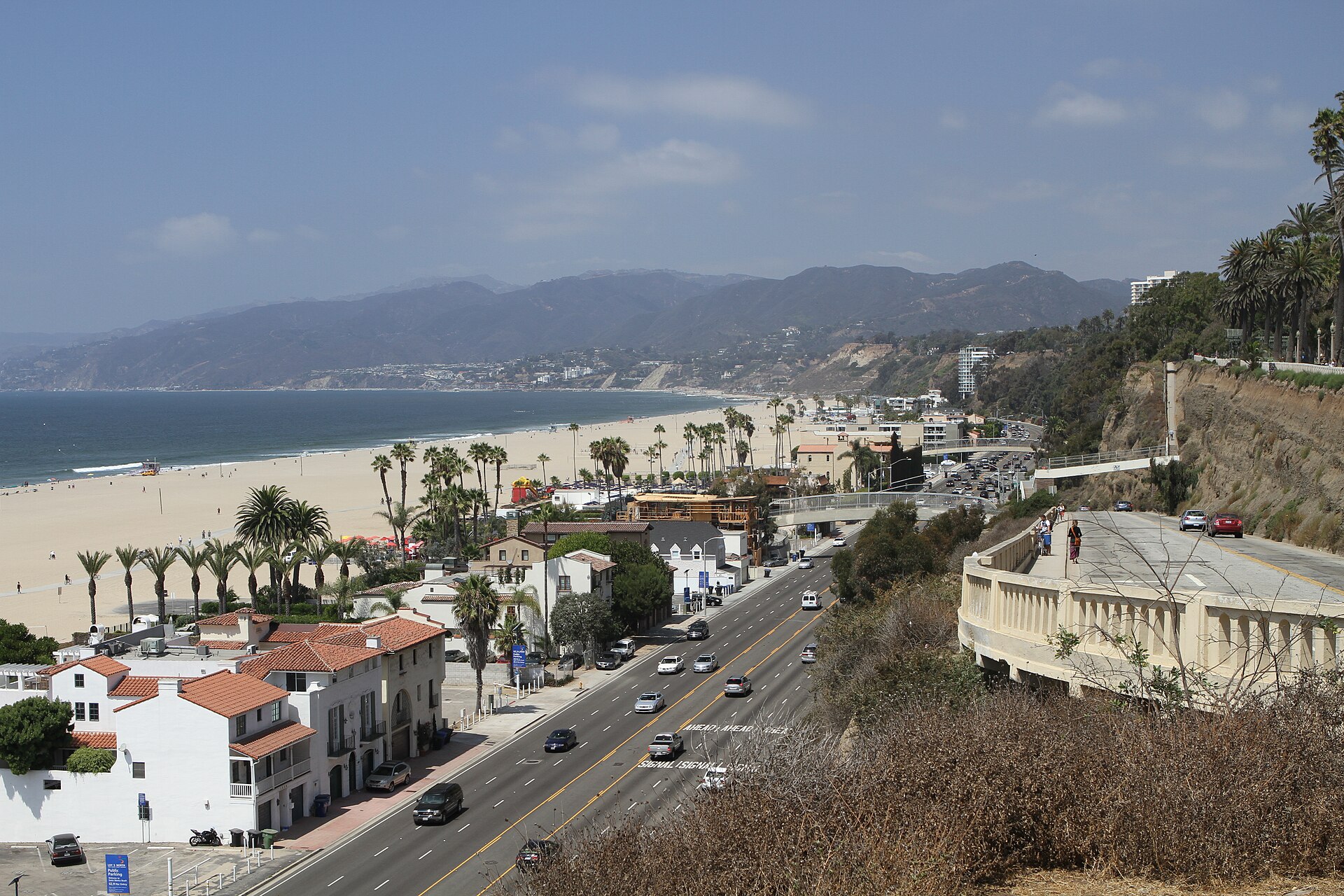
The setting
Ocean air. Many ways to call it home..
Santa Monica is its own city, with its own planning and housing rules. Its neighborhood names are helpful starting points, but a property’s location, building type, and condition tell a more useful story than the label alone.
Compare proximity to the coast with parking, outdoor space, traffic, and building maintenance. Confirm school assignments directly with the district. For tenant-occupied or multifamily property, investigate the city rules that apply to that exact building.
01 / Residential streets
North of Montana
Predominantly single-family residential blocks north of Montana Avenue. Compare parcel size, architecture, improvements, and exact position within the neighborhood rather than assuming every block offers the same setting.
02 / Condos & townhomes
Wilshire Montana
A useful starting point for condominium and townhome searches between major east–west corridors. Assess light, outdoor space, garage access, association documents, and building condition.
03 / Southern coastal setting
Ocean Park
The southwest coastal neighborhood around Main Street includes cottages, apartments, and condominiums. Look at each property’s relationship to the beach, nearby commercial activity, and parking.
04 / Southeastern Santa Monica
Sunset Park
A mix of houses and multifamily properties, with commercial corridors and the airport area toward its edges. Check the immediate setting and current city plans for nearby uses.
05 / Urban coastal living
Downtown
A more urban search area connecting the commercial center, transit, and the coast. Building amenities, dues, parking, noise, and the exact outlook are useful points of comparison.
06 / Central connections
Mid-City
A central area with residential and commercial uses around major corridors. Compare individual blocks, building types, and travel routes rather than relying on a single neighborhood-wide description.
07 / A varied residential mix
Pico neighborhood
An established neighborhood with homes, apartments, and commercial corridors. Evaluate the specific property’s layout, outdoor space, neighboring uses, and condition.
08 / Inland residential setting
Northeast / North of Wilshire
The northeastern part of the city offers another residential comparison to the coastal blocks. Verify location and neighborhood boundaries for the specific address; local naming conventions can overlap.
Guide reviewed November 10, 2026. Area names may overlap and are not legal boundaries. No school assignment, property condition, view, or development approval is implied.
Public resources for further research:
Original guide copy by Jon Brown Real Estate. Images are representative archival views, not photographs of each subarea.